
"Bolivian coffee export"
200 article(s) found

[2] A brief discussion on Bolivian Coffee Annual output of Bolivian Coffee
Professional coffee knowledge exchange more information about coffee beans Please follow the coffee workshop (Wechat official account cafe_style) if you want to talk about the paradise of coffee bean growth, it is Bolivia. This producing area can be regarded as one of the most recommended boutique coffee producing areas. Most of the coffee beans in this producing area are a little sweet and very pleasing, but the number of coffee beans is very small.

What is the coffee bean import process?| How to import coffee beans to China?
Professional coffee knowledge exchange More coffee bean information Please pay attention to coffee workshop (Weixin Official Accounts cafe_style) coffee bean import customs declaration procedures 1. consignee and consignor record number; 2. original label and corresponding Chinese translation; 3. import and export management right; 4. food circulation license; 5. certificate of origin; 6. health certificate/free sales certificate of producing country; 7. manufacturer

How does Bolivian coffee taste? how does Bolivian coffee taste? Bolivian coffee brewing suggestion
Professional coffee knowledge exchange more information about coffee beans Please follow the coffee workshop (Wechat official account cafe_style) if you want to talk about the paradise of coffee bean growth, it is Bolivia. This producing area can be regarded as one of the boutique coffee producing areas most recommended by the editor. Most of the coffee beans in this producing area are a little sweet and very pleasing, but the number of coffee beans is very small.
How about Bolivian Java coffee? description of the flavor characteristics of Bolivian Java coffee
Professional coffee knowledge exchange more coffee bean information please follow the coffee workshop (Wechat official account cafe_style) if in many coffee producing areas, to find such a romantic, beautiful and dangerous dream territory, it is Bolivia! Pedro/Agricafe has been growing coffee in Bolivia for 30 years, which can be said to have witnessed the cultivation / production of coffee in Bolivia.

Introduction to Bolivian coffee is the quality of Bolivian coffee good?
For the exchange of professional baristas, please pay attention to the coffee workshop (Wechat official account cafe_style) Bolivian coffee: Bolivian coffee has the advantages of high altitude and excellent coffee varieties, where the traditional Tibica and a small amount of Kaddura are highly valued on the world market. In the past, coffee trees in Bolivia used to act as hedges and ornaments around the garden.
What is the taste and flavor of Bolivian coffee Linda washed with long beans? How do you rush Bolivia?
Professional coffee knowledge exchange more coffee bean information please follow the coffee workshop (Wechat official account cafe_style) Bolivian coffee Linda washed long beans taste and flavor? How to wash beans with Bolivian coffee water before it tastes good? Bolivia is one of the most difficult growing areas in the world, and transportation and climate are the biggest problems. This year, after a special relationship of origin,

American boutique coffee brief introduction of Tibica varieties in Lake Tata producing area of Bolivian coffee
Bolivian coffee producing area: Bolivian coffee is grown at an altitude of 180,670 meters above sea level. Characteristics of Bolivian coffee: flavor: high quality mixed coffee recommended roasting method: medium to deep barbecue ★: general Bolivian coffee market: Bolivian coffee, of which Arabica washed coffee beans are exported to Germany and Sweden, its taste is not the best today

Introduction of Bolivian coffee bean grinding scale varieties taste manor production area
There are mainly light industries such as food processing, wine making, cigarettes, textiles and so on. Mining is an important part of the Bolivian national economy. It is an exporter of mineral products and is rich in mineral resources, including tin, antimony, tungsten, silver, zinc, lead, copper, nickel, iron and so on. It has proven oil reserves of 188 million barrels and natural gas of 1.13 trillion cubic meters. The forest area is 56 million hectares. Coca is grown in Bolivia

Bolivia La Paz La Paz Coffee region introduces the taste of Bolivian specialty coffee beans
Professional coffee knowledge exchange more coffee bean information please follow the coffee workshop (Wechat official account cafe_style) Bolivia coffee production is mainly small farmer production system, the country has 23000 small farms with a size of 2-9 hectares, and in particular, about 40% of Bolivia's coffee culture is mainly for domestic sales. The main variety is Arabica.

Bolivian Coffee Introduction Bolivian Coffee Plantation Features Snow Veins Plantation
GDP in 1991 was US $5,007 million. The name of the currency is Boliviano, and the exchange rate at the end of 1992 was 4.09 Boliviano to the United States dollar. Bolivia mainly exports lead, tin, zinc, gold, silver and other minerals and natural gas, soybeans, wood, sugar, leather, coffee and livestock. Main imported raw materials and intermediate products, industrial equipment, consumer goods and transportation equipment.

Bolivian Java Coffee beans introduce the difference between Bolivian Rose Summer and Java Coffee
Professional coffee knowledge exchange more coffee bean information please pay attention to the coffee workshop (Wechat official account cafe_style) can compete with the rose summer long-shaped beans: Bolivian Java coffee beans locally known as long beans in Bolivia, named for its long appearance, its official name should be Bolivia Java (Java), Java is a very interesting bean species, from the name

Introduction of Bolivian coffee planting areas planted at an altitude of 180,670 meters above sea level
In the past, coffee trees in Bolivia used to act as hedges and ornaments around the garden. Real commercial production began in the early 1950s. The great frost of 1957 seriously damaged Brazil's coffee industry, while Bolivia (Bolivia) benefited from it and developed rapidly. Bolivian coffee is grown at an altitude of 180,670 meters above sea level, including Allah.
What about the procedures for the entry list of imported coffee beans? can raw coffee beans go through customs
Professional coffee knowledge exchange more information about coffee beans Please follow the coffee workshop (Wechat official account cafe_style) Coffee beans refer to the plant fruits used to make coffee. In a broad sense, there are two kinds of coffee beans in the world, Arabica beans and Robosta beans. The fruit of coffee consists of two oval seeds opposite each other. The connecting side of each other is a flat joint, which is called flat bean.

Organic Coffee cultivation of Bolivian Fine Coffee Arabica Coffee
Located in the western heart of South America, Bolivia covers an area of 1098581 square kilometers-about three times the size of Montana. The two mountains of the Andes span western Bolivia, forming three major geographical regions of the country: the mountainous highlands in the west and Altiplano, and the east.

Bolivian Coffee Perdo Rodriguez introduces the special flavor story of Bolivian coffee beans
Professional coffee knowledge exchange more coffee bean information please follow the coffee workshop (Wechat official account cafe_style) when it comes to Bolivia's Perdo Rodriguez, it can be said that everyone in the boutique coffee industry knows, almost can be said to be the flames of hope for the revival of Bolivian coffee. There are not only many boutique coffee brands, such as intellectuals regularly grab beans every year, and Maruyama Coffee in Japan

Medium acidity Bolivian Coffee Manor area introduces the characteristics of Bolivian coffee beans in Xuemai Manor
The acidity is medium and low, but the feeling is not monotonous, but calm and generous, soft and fresh. In the sour taste, you can even feel the sour taste of citrus fruits. The overall taste of Bolivian coffee is rich and balanced, in addition to the beautiful sour taste, there is also a shallow chocolate flavor, smooth taste is more smooth, by contrast, the bitter taste is not obvious. Coffee

Bolivian Coffee Coffee Taste, Bolivian Coffee Taste, Bolivian Coffee Coffee, tomorrow's Coffee Coffee
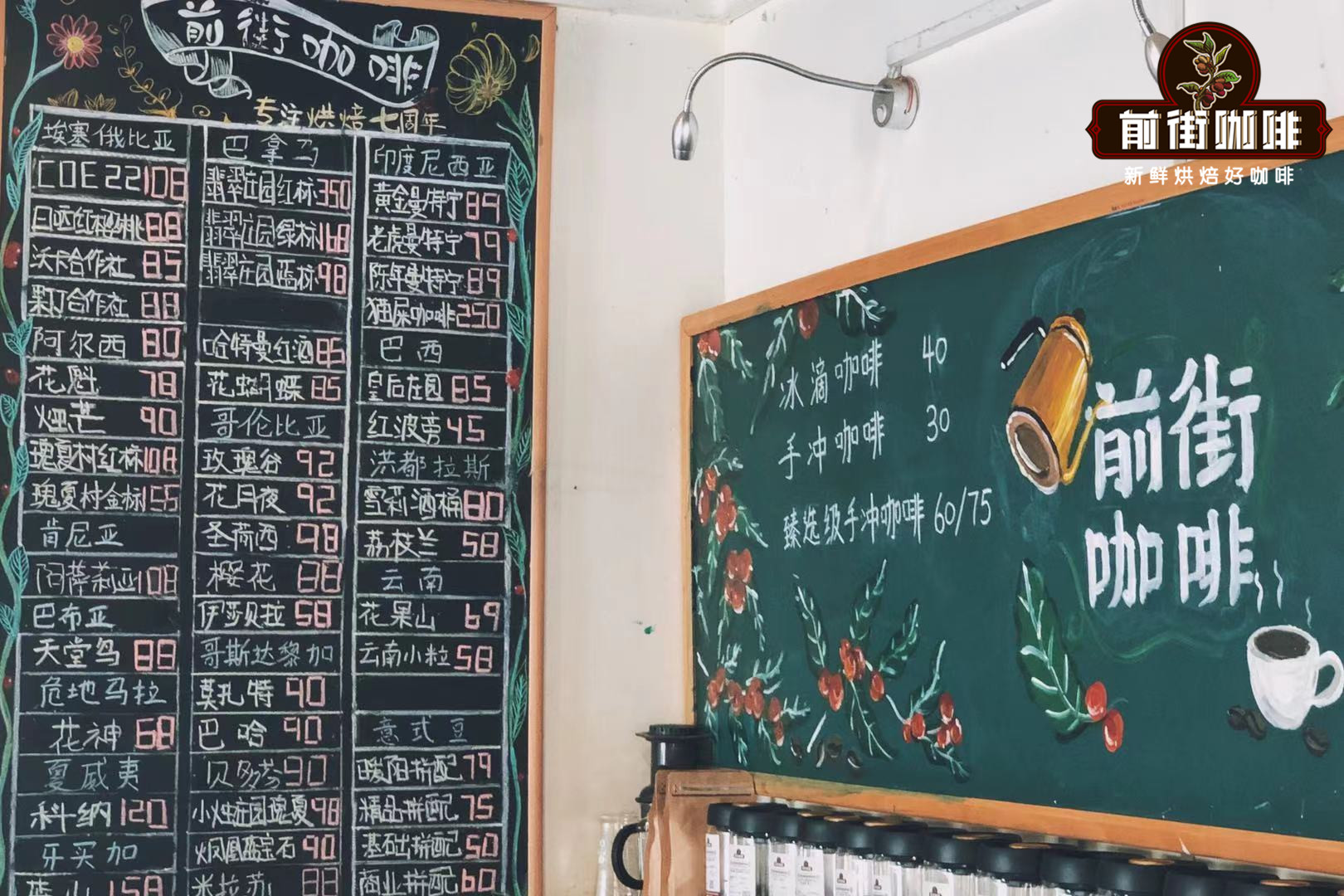
Professional coffee knowledge exchange more coffee bean information please follow the front street of the coffee workshop (Wechat official account cafe_style)-tomorrow Pacific Plan Bolivia is one of the most prestigious countries in Latin America, a domestic country, adjacent to Brazil and Colombia. Of course, it is a country with a strong export of coffee, but its output is relatively scarce.
Flavor characteristics of Bolivian Rosa Coffee beans the story of Bolivian Rosa cousin Java Coffee
Professional coffee knowledge exchange more coffee bean information please follow the coffee workshop (Wechat official account cafe_style) Bolivia is an interesting place, although it is known as the paradise of coffee growth, but its production has not been high. Qianjie Coffee has been served in Bolivian coffee several times, and its exquisite flavor is very impressive. The history of Bolivia is very interesting, though

Introduction to the characteristics of coffee flavor and taste varieties of Bolivian snow vein manor with dried almonds
In the past, coffee trees in Bolivia used to act as hedges and ornaments around the garden. Real commercial production began in the early 1950s. The coffee industry in Brazil was seriously damaged by the great frost in 1975, while Bolivia (Bolivia) benefited from it and developed rapidly. The origin of Bolivian coffee: Bolivian coffee at an altitude of 180 Muhami 670 meters.

The Bolivian name producing area is La Paz, including Karanawi, north and south, Yongster Inkihivi, etc.
Professional coffee knowledge exchange more coffee bean information Please pay attention to coffee workshops (Wechat official account cafe_style) Bolivia is a potential producing area, but it is only a small coffee export producing area, accounting for less than 0.1% of the global output, why? However, Bolivian production has declined year by year in recent years. From 1997 to 2014, the volume of exports declined year after year to only 1 pound 4, according to Roast